
Table of Contents
Key Takeaways
Salt Lake medical cleaning services require specialized training in CDC guidelines, OSHA regulations, and infection prevention protocols to maintain healthcare facility safety standards.
Professional medical cleaners in Salt Lake serve diverse healthcare facilities including Intermountain Healthcare locations, University of Utah Hospital, and private practices using EPA-approved hospital grade disinfectants.
Healthcare cleaning in Salt Lake addresses unique local challenges like high altitude dust accumulation, seasonal allergens, and winter salt residue while maintaining strict infection control protocols.
Medical facility cleaning costs in Salt Lake range from $0.15-$0.35 per square foot depending on facility type, with operating rooms and surgical suites requiring premium sterilization protocols.
Top Salt Lake medical cleaning companies maintain 24/7 emergency response capabilities and hold certifications from organizations like ISSA and GBAC for comprehensive solutions.
Healthcare facilities in Salt Lake City require specialized medical cleaning services that go far beyond standard commercial cleaning protocols. The intersection of infection prevention science, regulatory compliance, and Salt Lake’s unique environmental challenges creates a complex landscape where professional medical facility cleaning services become essential for patient safety and regulatory compliance. This guide is designed for healthcare administrators, clinic managers, and anyone responsible for facility cleanliness in the Salt Lake area. Cleanliness in medical facilities directly affects the health and safety of everyone who enters these sensitive environments.
Medical cleaning in healthcare environments involves systematic removal of pathogens, organic matter, and contaminants from patient care areas, medical equipment surfaces, and high touch surface disinfection zones. Unlike routine cleaning, medical facility cleaning follows strict infection control protocols designed to prevent healthcare associated infections and ensure compliance with federal and state healthcare standards. Medical cleaning in healthcare facilities involves specialized cleaning protocols, the use of medical-grade disinfectants, and strict regulatory adherence to maintain a safe and hygienic environment.
Salt Lake’s healthcare landscape spans from major hospital systems to specialized clinics, each requiring customized cleaning plans that address everything from surgical suites to patient rooms, waiting areas, and dental office environments. The city’s unique geographical and climate conditions add layers of complexity that require specialized training and equipment to maintain a safe and hygienic environment.
Why Are Strict Cleaning Protocols and Specialized Training Essential in Healthcare Facilities?
Maintaining cleanliness in healthcare facilities is crucial for preventing the spread of infections and protecting patients, staff, and visitors from potential health risks. Thorough and regular cleaning helps eliminate harmful pathogens that can survive on surfaces and medical instruments, preventing cross-contamination and transmission of diseases. Cleaning protocols in medical facilities must include proper handling and disposal of biohazardous materials. Medical cleaning services must adhere to health cleaning standards, incorporating guidelines from the CDC and other regulatory bodies.
Essential Medical Cleaning Services in Salt Lake City
Medical cleaning encompasses far more than traditional janitorial services, requiring specialized knowledge of healthcare environments, infection prevention, and regulatory compliance. In Salt Lake’s healthcare facilities, professional cleaning services must address both environmental cleaning and specialized equipment protocols that directly impact patient health and facility operations. Medical office cleaning and medical office cleaning services are specialized solutions tailored for healthcare environments, emphasizing infection control, regulatory compliance, and patient safety.
The distinction between standard commercial cleaning and medical facility cleaning lies in the scientific approach to pathogen elimination, regulatory compliance requirements, and specialized training needed to work safely in healthcare environments. Medical cleaning services focus on creating a safer and healthier environment through systematic protocols designed to prevent cross contamination and protect vulnerable patients. A dedicated cleaning team plays a crucial role in targeting harmful pathogens and maintaining a sanitized environment, ensuring a safe environment for both patients and staff.
Because every healthcare facility has unique needs, a customized cleaning plan is developed for each location to support a healthy environment and the overall well-being of everyone inside. Professional medical cleaning services also contribute to operational efficiency by allowing healthcare staff to focus on patient care rather than cleaning tasks.
Maintaining a professional environment through high standards of cleanliness directly affects the health and safety of everyone who enters these sensitive environments. A professional appearance, achieved through consistent and thorough cleaning, not only supports a positive first impression but also builds patient confidence and trust in the facility.
Critical Healthcare Areas Requiring Specialized Attention
Operating rooms demand the highest level of cleaning protocols, including terminal cleaning procedures between surgeries and deep cleaning protocols that eliminate potential contaminants. These sterile environments require specialized training in surgical suite cleaning, proper handling of medical waste, and coordination with surgical teams to maintain workflow efficiency.
Patient rooms require daily routine cleaning focused on high touch surfaces like light switches, door handles, bed rails, and medical equipment. Each patient room cleaning follows specific protocols to prevent cross contamination between patient areas while maintaining the positive environment essential for patient care and recovery. Odor control is also crucial in maintaining a clean and welcoming environment, especially in restrooms and reception areas, to enhance patient confidence and ensure sanitary conditions.
Examination rooms, exam rooms, treatment rooms, and procedure areas need rapid turnaround cleaning between patients, requiring efficient protocols that ensure surface disinfection without extending patient wait times. In particular, maintaining a sterile environment in exam rooms is crucial to ensure both patient and staff safety. These areas often handle multiple patients daily, making effective cleaning protocols critical for infection prevention.
Laboratory and diagnostic areas present unique challenges requiring specialized knowledge of contamination control, proper handling of biohazardous materials, and understanding of equipment cleaning requirements. Similarly, environments such as restaurants demand cleaning technicians with specialized training in safety and decontamination procedures.
Salt Lake’s Climate-Specific Cleaning Challenges
Salt Lake City’s high altitude and arid climate create unique dust accumulation patterns that require enhanced filtration systems and more frequent cleaning of ventilation areas. The dry air can increase static electricity, affecting dust distribution and requiring specialized equipment for effective removal from sensitive healthcare environments.
Winter conditions bring salt and snow tracking challenges that extend beyond typical entrance cleaning. Medical facilities must maintain pristine conditions while managing increased soil loads from patients and staff entering during harsh weather conditions, requiring robust entrance systems and frequent floor care protocols.
Seasonal allergen management becomes critical during spring months when pollen levels spike, requiring enhanced air filtration and surface cleaning protocols to protect patients with respiratory sensitivities. Healthcare facilities must balance outdoor air quality challenges with maintaining optimal indoor environmental conditions.
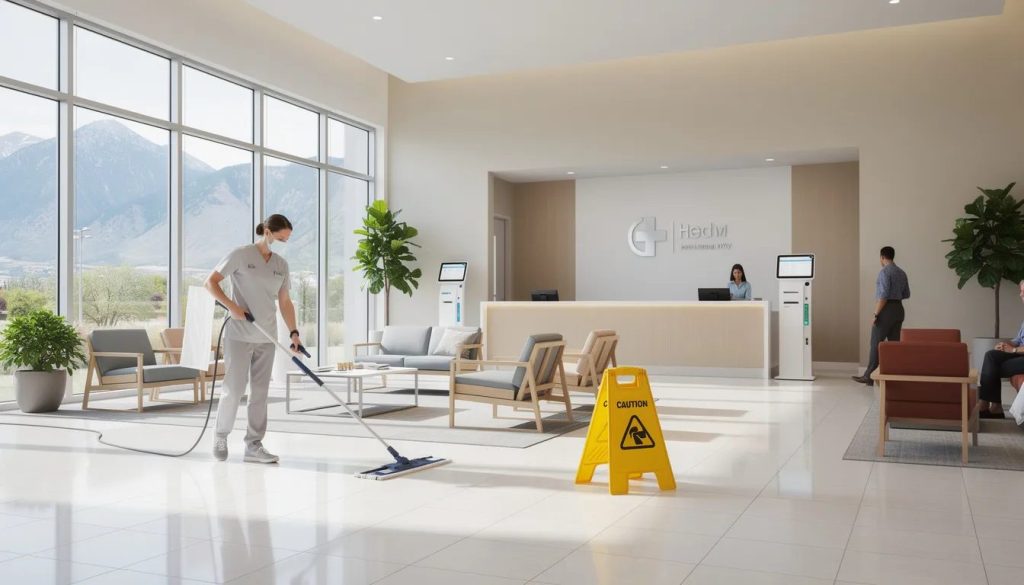
Salt Lake Healthcare Facility Types Requiring Professional Cleaning
Major Hospital Systems and Medical Centers
Intermountain Healthcare operates multiple facilities throughout Salt Lake County, each requiring comprehensive medical cleaning services that address everything from emergency departments to specialized care units. These large healthcare systems demand cleaning teams capable of coordinating across multiple departments while maintaining consistent infection control protocols.
University of Utah Health represents one of the region’s most complex healthcare environments, combining research facilities, teaching hospitals, and specialized treatment centers. The facility’s research components require specialized services that understand laboratory protocols, biosafety requirements, and the unique cleaning challenges of academic medical environments.
ARUP Laboratories, as a major reference laboratory serving the region, requires cleaning protocols specifically designed for laboratory environments. These facilities demand specialized training in laboratory safety, proper decontamination procedures, and understanding of various testing environments from routine labs to specialized research facilities.
Specialty Healthcare Facilities
Urgent care centers across Salt Lake County require cleaning services that can accommodate rapid patient turnover and extended operating hours. These facilities often need flexible scheduling to provide deep cleaning during brief operational breaks while maintaining continuous availability for patient care.
Dental offices throughout areas like Millcreek, Murray, and West Valley City require specialized understanding of dental equipment cleaning, proper handling of dental-specific waste streams, and protocols for managing aerosol-generating procedures. Dental office cleaning involves unique considerations around infection control in environments with regular aerosol exposure.
Outpatient surgical centers and specialty clinics require cleaning protocols that bridge hospital-level standards with the operational flexibility of smaller facilities. For each type of specialty facility, including chiropractic offices, it is essential to develop a customized cleaning plan that addresses their unique cleaning needs and schedules, ensuring compliance and safety. These healthcare environments often perform complex procedures requiring surgical suite-level cleaning while maintaining the efficiency needed for outpatient operations.
Rehabilitation centers and long-term care facilities require cleaning protocols adapted to vulnerable patient populations who may have extended stays. These environments demand consistent infection prevention measures while creating a comfortable, home-like atmosphere for patients undergoing extended treatment or recovery.
Research and Academic Facilities
University of Utah research facilities require specialized services that understand both healthcare cleaning standards and laboratory contamination control protocols. These environments often involve sensitive research equipment, specialized waste streams, and varying levels of biosafety requirements depending on research activities.
Private research facilities and biotech companies in the Salt Lake area require cleaning protocols that protect both research integrity and personnel safety. These facilities often work with sensitive materials requiring specialized training and equipment for proper decontamination and waste handling procedures, which may sometimes require one-time professional cleaning services.
Professional Medical Cleaning Standards and Certifications
Federal and State Regulatory Requirements
CDC guidelines for environmental infection control in healthcare facilities provide the foundation for all professional medical cleaning protocols. These comprehensive standards address everything from daily routine cleaning procedures to terminal cleaning requirements for isolation units and surgical areas.
OSHA bloodborne pathogen standards mandate specific training, personal protective equipment requirements, and safety protocols for cleaning technicians working in healthcare environments. Compliance requires ongoing training, proper PPE usage, and documented safety procedures to protect cleaning staff from occupational exposure to infectious materials.
Utah Department of Health regulations specify requirements for medical waste handling, facility cleanliness standards, and infection control protocols that complement federal guidelines. These state-specific requirements ensure that medical facilities maintain standards appropriate for local healthcare delivery and public health protection.
Environmental Protection Agency regulations govern the use and effectiveness of disinfectants used in healthcare facilities. EPA-registered hospital grade disinfectants must meet specific efficacy standards against healthcare-relevant pathogens, and their proper use requires training in application techniques, contact times, and safety considerations.
Professional Certifications and Training Standards
ISSA certification programs provide standardized training for cleaning technicians working in healthcare environments. These programs cover infection prevention basics, proper chemical handling, equipment operation, and safety protocols specific to medical facility cleaning operations. For those interested in cleaning practices specific to manufacturers, industrial cleaning is essential for Utah manufacturers.
GBAC STAR accreditation represents the highest standard for infection prevention programs, providing facilities with third-party verification of their cleaning and disinfection protocols. Facilities achieving this accreditation demonstrate commitment to evidence-based cleaning practices and ongoing quality improvement.
Specialized training in healthcare environmental services covers topics ranging from basic infection prevention to advanced protocols for high-risk areas like surgical suites and isolation units. This training ensures cleaning technicians understand the critical role their work plays in patient safety and infection prevention.
Ongoing education requirements ensure that medical cleaning professionals stay current with evolving standards, new technologies, and emerging infectious disease concerns. Regular training updates address changes in CDC guidelines, new equipment technologies, and lessons learned from healthcare-associated infection outbreaks.
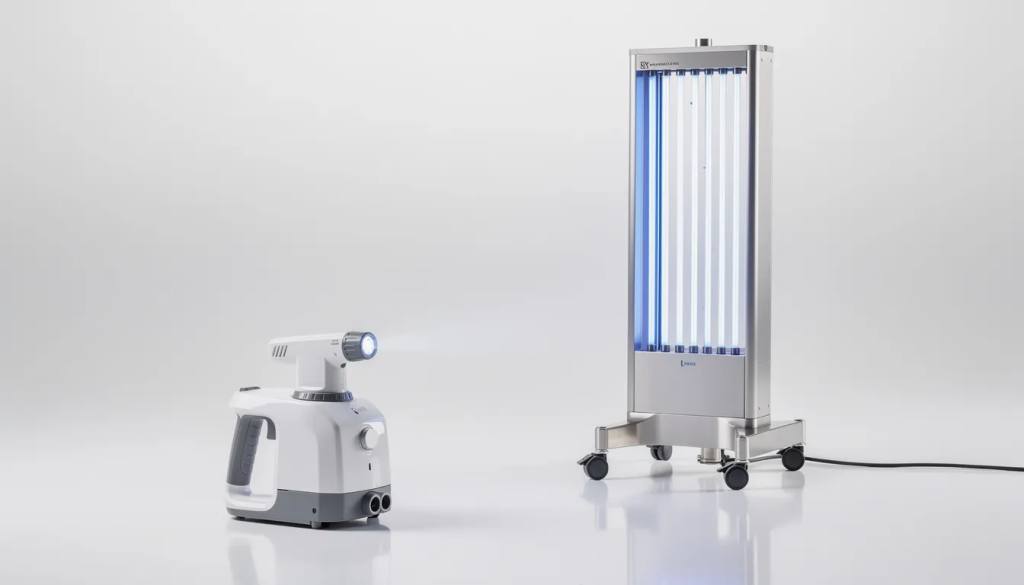
Specialized Equipment and Products for Salt Lake Medical Facilities
EPA-Approved Disinfection Products
Hospital grade disinfectants approved for healthcare use include quaternary ammonium compounds that provide broad-spectrum antimicrobial activity against bacteria, viruses, and fungi commonly encountered in healthcare environments. These products require proper dilution, application techniques, and contact times to ensure effective pathogen elimination.
Sporicidal agents specifically designed for Clostridioides difficile elimination represent critical tools for managing outbreaks of this challenging healthcare-associated pathogen. These specialized disinfectants require different application protocols and longer contact times compared to standard disinfectants but provide essential protection against spore-forming organisms.
Multi-surface disinfectants designed for high-frequency use on patient care equipment provide the flexibility needed for routine cleaning while maintaining efficacy against healthcare-relevant pathogens. These products must balance effectiveness with material compatibility and staff safety considerations.
Alcohol-based products for rapid disinfection of small surfaces and equipment provide quick turnaround capabilities essential in busy healthcare environments. These products offer rapid kill times but require proper application techniques and understanding of their limitations against certain pathogens.
Advanced Cleaning Technology Systems
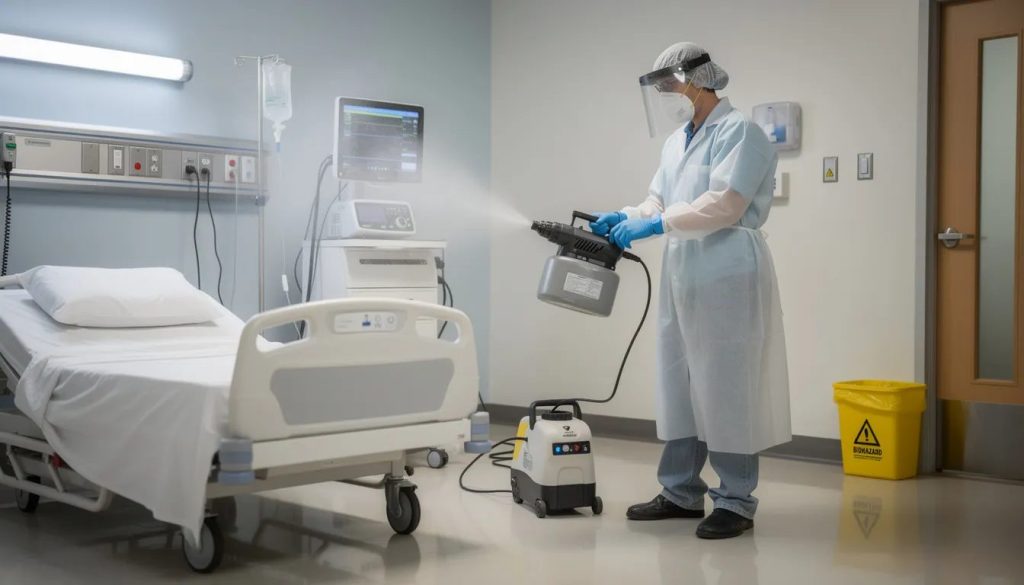
Electrostatic spraying systems provide comprehensive surface coverage for large areas, ensuring consistent disinfectant application even on hard-to-reach surfaces. This technology enhances the efficiency of terminal cleaning procedures while providing superior coverage compared to traditional application methods.
HEPA-filtration vacuum systems designed for healthcare environments capture microscopic particles, allergens, and potential pathogens that standard vacuum systems might redistribute. These systems are essential for maintaining air quality and preventing the spread of airborne contaminants during cleaning operations.
UV-C light disinfection technology provides chemical-free pathogen elimination for terminal cleaning procedures in unoccupied spaces. This technology offers additional disinfection capabilities particularly valuable for managing antibiotic-resistant organisms and providing enhanced safety margins in high-risk areas.
Automated cleaning validation systems using ATP bioluminescence testing provide objective measurement of cleaning effectiveness, enabling continuous quality improvement and regulatory compliance documentation. These systems help identify areas needing additional attention and verify that cleaning protocols achieve desired outcomes.
Color-Coded Systems for Cross-Contamination Prevention
Microfiber cleaning systems with color-coded organization prevent cross contamination between different areas and types of surfaces. This systematic approach ensures that cloths used in patient toilets never contact patient care surfaces, maintaining clear separation of contamination risks.
Dedicated equipment sets for high-risk areas like isolation rooms and surgical suites provide additional protection against inadvertent pathogen spread. These specialized equipment sets remain dedicated to specific areas, preventing cross contamination through equipment sharing.
Chemical dispensing systems that provide accurate dilution and reduce chemical exposure risks for cleaning staff while ensuring consistent product effectiveness. These systems improve both safety and quality outcomes while reducing waste and costs associated with improper chemical mixing.
Salt Lake Medical Cleaning Protocols and Procedures
Daily Cleaning Schedules and Workflows
Routine cleaning in occupied patient areas focuses on high touch surface disinfection including door handles, light switches, bed rails, overbed tables, and call buttons. These surfaces receive frequent contact and represent primary transmission vectors for healthcare associated infections, requiring multiple cleaning cycles throughout each day.
Patient room cleaning follows systematic protocols that proceed from cleaner to dirtier areas, preventing cross contamination during the cleaning process. Cleaning teams start with patient care areas, progress through general surfaces, and conclude with bathroom facilities using separate equipment for each zone.
Common areas like waiting areas, reception desks, and corridors receive frequent attention throughout the day, with emphasis on surfaces that patients and visitors contact regularly. These areas require cleaning protocols that balance thorough disinfection with minimal disruption to ongoing facility operations.
Staff work areas, including nursing stations and break rooms, require cleaning protocols that address both infection prevention and workplace safety considerations. These areas often contain sensitive equipment and personal items that require specialized handling during cleaning operations.
Terminal Cleaning and Deep Cleaning Procedures
Terminal cleaning procedures follow patient discharge or transfer, involving comprehensive cleaning and disinfection of all surfaces in the patient care area. This process includes mattress and bedframe cleaning, thorough bathroom sanitization, and systematic surface disinfection throughout the entire room.
Operating room terminal cleaning between surgical cases involves comprehensive protocols that address all surfaces, equipment, and environmental controls. These procedures require coordination with surgical teams and understanding of surgical workflow to maintain efficiency while ensuring complete pathogen elimination.
Deep cleaning schedules address areas and surfaces not covered in daily routines, including ceiling fixtures, ventilation components, and equipment surfaces that require less frequent but thorough attention. These comprehensive cleaning cycles ensure that overlooked areas don’t become reservoirs for pathogen accumulation.
Isolation unit cleaning protocols address specialized requirements for managing patients with infectious diseases or multidrug-resistant organisms. These procedures often require enhanced personal protective equipment, specialized disinfectants, and modified workflows to prevent pathogen spread, especially in high-traffic areas.
Emergency Response and Outbreak Management
Emergency cleaning protocols provide rapid response capabilities for infectious disease outbreaks, patient accidents involving body fluid spills, and other urgent situations requiring immediate intervention. These protocols ensure that appropriate cleaning and disinfection measures can be implemented rapidly to protect patients, staff, and visitors.
Biohazardous material cleanup procedures address situations involving blood, body fluids, and other potentially infectious materials. These protocols require specialized training, appropriate personal protective equipment, and proper waste disposal procedures to ensure staff safety and regulatory compliance.
Coordination with infection control teams during outbreak investigations ensures that cleaning protocols support epidemiological efforts while maintaining essential facility operations. This collaboration often involves enhanced cleaning frequencies, specialized disinfectants, and detailed documentation of cleaning activities.
Communication protocols ensure that all stakeholders receive appropriate information about cleaning activities, temporary area closures, and any special precautions required during emergency situations. Clear communication prevents confusion and ensures that enhanced cleaning measures achieve their intended protective effects.
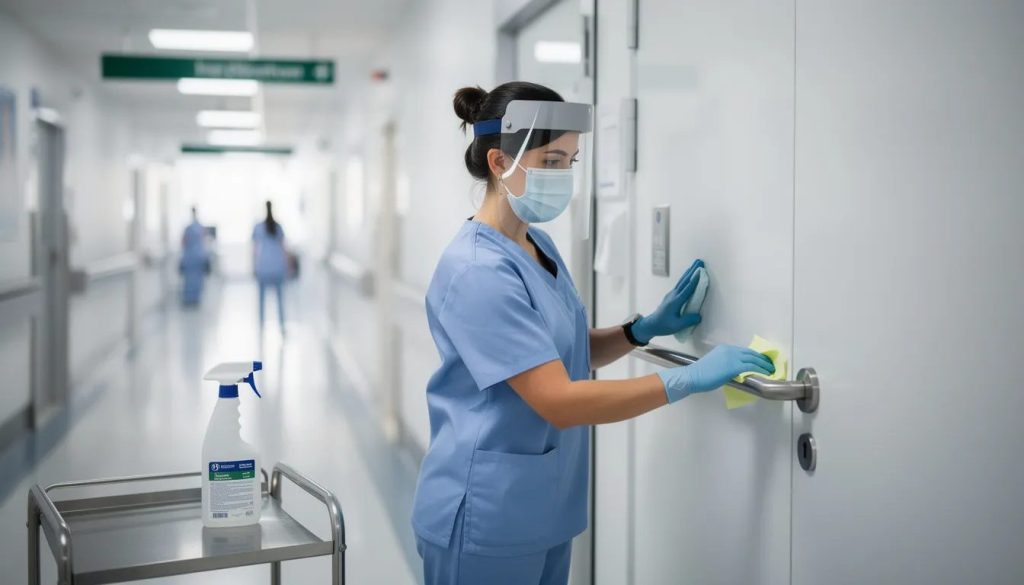
Infection Control Measures
Healthcare-Associated Infection Prevention Strategies
Systematic surface disinfection protocols target the most common transmission pathways for healthcare associated infections, focusing on high touch surfaces that serve as reservoirs for pathogen transmission. These evidence-based approaches prioritize cleaning activities that provide the greatest impact on infection prevention outcomes.
Hand hygiene support through proper maintenance of handwashing facilities, alcohol-based hand sanitizer stations, and patient care areas ensures that infection prevention infrastructure remains functional and accessible. Cleaning protocols must maintain these critical infection prevention tools while ensuring they remain fully operational.
Environmental surveillance programs that monitor cleaning effectiveness provide early warning systems for potential infection control problems. Regular environmental sampling and cleaning verification help identify areas where protocols may need adjustment or additional training may be required.
Staff education and communication ensure that cleaning activities support and reinforce infection prevention messaging throughout the healthcare facility. Cleaning staff serve as important partners in infection prevention efforts and can help identify potential risks or opportunities for improvement.
Pathogen-Specific Cleaning Protocols
Contact and droplet precaution cleaning protocols address enhanced requirements for managing patients with infectious diseases transmitted through direct contact or respiratory droplets. These protocols often require modified cleaning sequences, enhanced personal protective equipment, and specialized disinfectants to prevent pathogen transmission.
C. difficile spore elimination requires specialized sporicidal agents and modified cleaning techniques that address the unique resistance characteristics of bacterial spores. Standard disinfectants prove ineffective against spores, requiring facilities to maintain specialized products and training for managing these challenging organisms.
MRSA and other antibiotic-resistant organism containment involves enhanced environmental cleaning protocols designed to eliminate reservoirs of these persistent pathogens. These protocols often require more frequent cleaning, longer disinfectant contact times, and enhanced attention to commonly overlooked surfaces.
Emerging pathogen preparedness ensures that cleaning protocols can be rapidly adapted to address new infectious disease threats. Flexible protocols and cross-training enable facilities to respond effectively to novel pathogens while maintaining essential cleaning operations throughout healthcare facilities.
Local Salt Lake Challenges and Solutions
Environmental and Geographic Considerations
High altitude dust control requires specialized approaches that address the unique characteristics of Salt Lake’s arid, high-altitude environment. Increased static electricity and rapid dust accumulation demand enhanced filtration systems and more frequent cleaning of surfaces that collect airborne particles.
Winter weather management extends beyond typical entrance cleaning, addressing the substantial soil loads created by salt, snow, and de-icing materials tracked throughout healthcare facilities. Comprehensive entrance systems and frequent floor care protocols prevent these materials from compromising patient care environments.
Seasonal allergen control during spring months requires enhanced attention to air filtration systems and surface cleaning protocols that address elevated pollen levels. Healthcare facilities must balance natural ventilation benefits with protection for patients who may be particularly sensitive to environmental allergens.
Air quality concerns from nearby industrial activities and geographical features require enhanced attention to ventilation system maintenance and indoor air quality management. Cleaning protocols must address potential contaminant sources while maintaining optimal indoor environmental conditions for patient care.
Coordination with Local Systems
Salt Lake City waste management coordination ensures proper disposal of medical waste, regulated materials, and cleaning-related waste streams. Understanding local disposal requirements and maintaining proper documentation helps facilities maintain regulatory compliance while supporting municipal waste management systems.
Public health department coordination during infectious disease outbreaks or public health emergencies ensures that facility cleaning protocols support broader community disease prevention efforts. This coordination often involves enhanced reporting, modified cleaning protocols, and communication with local health authorities.
Emergency services coordination addresses situations where cleaning activities must accommodate emergency response operations, patient evacuations, or other urgent situations. Flexible cleaning protocols and clear communication channels ensure that essential cleaning operations continue without interfering with emergency response activities.
Utility coordination addresses situations where cleaning operations must accommodate power outages, water service interruptions, or other infrastructure challenges. Backup procedures and alternative cleaning methods ensure that infection control standards can be maintained even during utility service disruptions.
Choosing the Right Medical Cleaning Company in Salt Lake
Vetting Process and Due Diligence
Insurance verification and bonding requirements protect healthcare facilities from liability risks associated with cleaning operations. Comprehensive insurance coverage should include general liability, workers’ compensation, and professional liability coverage appropriate for healthcare environments.
Background check requirements for cleaning staff working in healthcare facilities often exceed standard commercial cleaning requirements. These enhanced screening procedures help ensure that staff have appropriate backgrounds for working in sensitive healthcare environments with access to patient areas and confidential information.
Experience verification with local healthcare providers provides insight into a cleaning company’s understanding of healthcare-specific requirements and their ability to maintain regulatory compliance. References from similar facilities help evaluate whether a company can meet the unique demands of medical facility cleaning.
Regulatory compliance documentation demonstrates a cleaning company’s understanding of healthcare regulations and their commitment to maintaining required standards. This documentation should include training records, safety programs, and compliance monitoring procedures relevant to healthcare cleaning operations.
Service Capabilities and Qualifications
24/7 availability for emergency cleaning situations ensures that healthcare facilities can address urgent cleaning needs regardless of timing. Medical facilities operate continuously, and cleaning emergencies can occur at any time, requiring service providers who can respond rapidly to urgent situations.
Specialized training verification ensures that cleaning technicians possess the knowledge and skills necessary for working safely and effectively in healthcare environments. Training should cover infection prevention, chemical safety, equipment operation, and regulatory compliance relevant to medical facility cleaning.
Quality assurance programs including ATP testing, cleaning verification procedures, and continuous improvement processes demonstrate a commitment to maintaining high cleaning standards. These programs provide objective measures of cleaning effectiveness and identify opportunities for ongoing improvement.
Technology capabilities including advanced equipment, cleaning verification systems, and data management tools enhance both cleaning effectiveness and regulatory compliance documentation. Modern cleaning companies should demonstrate proficiency with current technologies that improve outcomes and operational efficiency.
Contract Considerations and Service Agreements
Service level agreements should clearly define cleaning frequencies, quality standards, response times, and performance metrics relevant to healthcare cleaning operations. These agreements provide the framework for ongoing service delivery and performance evaluation.
Staffing requirements and backup procedures ensure consistent service delivery even during staff absences, turnover, or increased demand periods. Healthcare facilities require reliable cleaning services that can maintain standards regardless of staffing challenges.
Training and certification maintenance requirements ensure that cleaning staff remain current with evolving standards and maintain required qualifications throughout the contract period. Ongoing education and certification updates protect facilities from compliance risks associated with outdated training.
Performance monitoring and reporting systems provide regular feedback on cleaning effectiveness, regulatory compliance, and service quality. These systems enable continuous improvement and early identification of potential problems before they impact patient care or regulatory compliance.
Cost Considerations for Salt Lake Medical Cleaning Services
Pricing Structure and Cost Factors
Medical facility cleaning costs in Salt Lake typically range from $0.15 to $0.35 per square foot, depending on facility type, cleaning frequency, and specialized requirements. Operating rooms and surgical suites command premium pricing due to enhanced protocols and specialized equipment requirements.
Facility complexity significantly impacts pricing, with simple medical offices requiring less investment than complex hospital environments with multiple specialty areas. Factors influencing cost include patient acuity levels, infection control requirements, specialized equipment needs, and regulatory compliance demands.
Cleaning frequency requirements vary based on facility type and patient volume, with high-traffic areas requiring more frequent service than low-traffic zones. Emergency departments and surgical areas typically require more intensive cleaning than administrative or storage areas.
Specialized services including terminal cleaning, deep cleaning procedures, and emergency response capabilities add cost but provide essential capabilities for comprehensive infection prevention programs. These services often prove cost-effective compared to managing infection control problems resulting from inadequate cleaning.
Budget Planning and Financial Analysis
Cost comparison between in-house cleaning staff and professional services should consider all associated costs including wages, benefits, training, equipment, supplies, and management overhead. Professional services often provide superior infection control outcomes while reducing administrative burden and liability risks.
Hidden costs of inadequate cleaning include healthcare-associated infection treatment costs, regulatory penalties, reputation damage, and potential legal liabilities. Investment in quality cleaning services often proves cost-effective compared to managing problems resulting from inadequate infection control.
Return on investment calculations should consider patient safety improvements, regulatory compliance benefits, staff productivity gains, and risk reduction benefits associated with professional medical cleaning services. Quality cleaning services provide value beyond basic cost considerations through improved outcomes and reduced risks.
Budgeting for different facility types requires understanding the specific cleaning requirements and cost drivers for each type of medical facility. Surgical centers require different investment levels than medical offices, and specialty facilities may have unique requirements affecting cost considerations.
Insurance and Liability Considerations
Professional liability coverage protects healthcare facilities from risks associated with cleaning-related problems including healthcare-associated infections, regulatory violations, or patient safety incidents. Adequate insurance coverage provides essential protection for facilities using professional cleaning services.
Workers’ compensation requirements ensure that cleaning staff injured while working in healthcare facilities receive appropriate coverage without creating liability for the healthcare facility. Professional cleaning companies should maintain comprehensive workers’ compensation coverage for all staff.
Risk management programs that address cleaning-related risks help identify and mitigate potential problems before they result in patient safety incidents or regulatory violations. These programs provide ongoing risk assessment and improvement opportunities that benefit both cleaning companies and healthcare facilities.
Contract terms should clearly define liability allocation, insurance requirements, and risk management responsibilities between healthcare facilities and cleaning service providers. Clear contractual terms prevent confusion and ensure appropriate risk management throughout the service relationship.
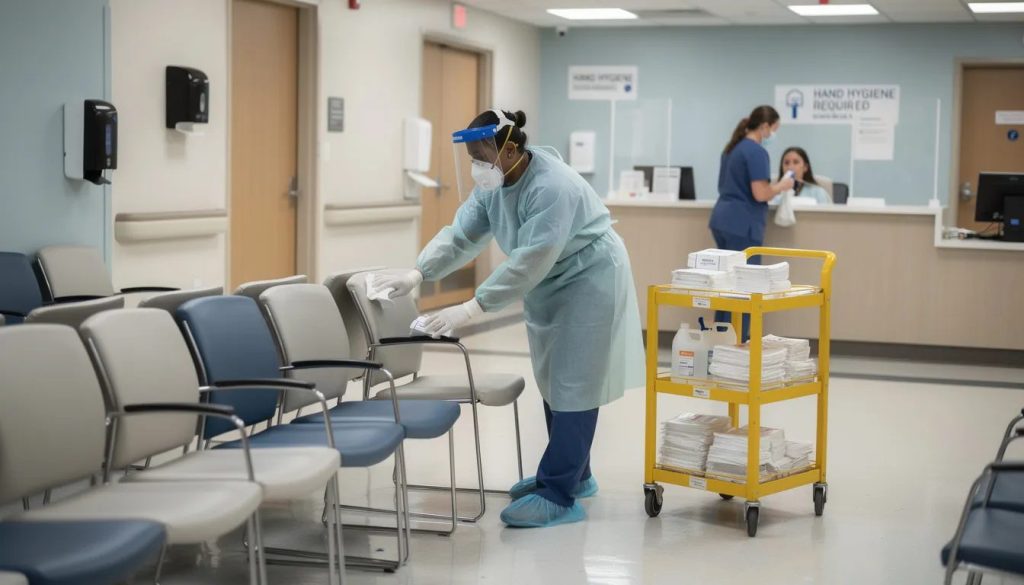
FAQ
What specific training do Salt Lake medical cleaning technicians receive beyond standard commercial cleaning?
Medical cleaning technicians in Salt Lake receive specialized training in CDC infection control guidelines, OSHA bloodborne pathogen standards, proper use of EPA-registered hospital grade disinfectants, and Utah-specific medical waste handling regulations. This training includes hands-on instruction in personal protective equipment usage, systematic cleaning protocols that prevent cross contamination, and emergency response procedures for biohazardous spills. Technicians also receive facility-specific training on healthcare equipment cleaning, patient privacy requirements, and coordination with medical staff during cleaning operations.
How do medical cleaning companies in Salt Lake handle biohazardous waste disposal according to Utah regulations?
Professional medical cleaning companies in Salt Lake follow strict Utah Department of Health regulations for medical waste segregation, packaging, labeling, and disposal. They maintain relationships with licensed medical waste disposal companies, use appropriate containers for different waste types, and maintain detailed documentation of waste generation and disposal activities. Companies must also train staff in proper waste handling procedures, maintain waste storage areas that meet regulatory requirements, and coordinate with healthcare facilities to ensure seamless waste management that complies with both state and federal regulations.
What is the typical response time for emergency medical cleaning services in Salt Lake County?
Most professional medical cleaning companies in Salt Lake County maintain 24/7 emergency response capabilities with typical response times of 1-2 hours for urgent situations such as biohazardous spills, infectious disease outbreaks, or contamination incidents. Response times may vary based on location within Salt Lake County, severity of the situation, and resource availability, but established companies maintain on-call teams and emergency equipment to ensure rapid deployment when patient safety or facility operations are at risk.
How often should different areas of a medical facility be deep cleaned versus routine daily maintenance?
Deep cleaning frequencies vary significantly by area type and usage patterns. High-risk areas like operating rooms require terminal cleaning after each procedure plus weekly deep cleaning, while patient rooms need deep cleaning after each discharge plus monthly comprehensive cleaning. Administrative areas typically require monthly deep cleaning, while waiting areas and common spaces benefit from weekly deep cleaning due to high traffic. Specialty areas like laboratories or isolation units may require more frequent deep cleaning based on specific contamination risks and regulatory requirements. For consistent results, many facilities rely on janitorial cleaning services to ensure these deep cleaning tasks are carried out effectively.
What certifications should I look for when selecting a medical cleaning company in Salt Lake City?
When selecting a medical cleaning company in Salt Lake City, look for ISSA healthcare cleaning certifications, GBAC STAR accreditation for infection prevention programs, and documented training in CDC healthcare cleaning guidelines. Companies should also maintain OSHA compliance training, proper insurance coverage including professional liability, and experience with local healthcare regulations. Additional valuable certifications include specialized training in biohazardous waste handling, emergency response procedures, and experience with major Salt Lake healthcare systems like Intermountain Healthcare or University of Utah Health.