
Table of Contents
Introduction
School cleaning services encompass comprehensive professional cleaning solutions, offering a full suite of services specifically designed for K-12 schools, high schools, colleges, universities, lecture halls, and other educational buildings. These specialized commercial cleaning services are delivered by a professional team and address the unique challenges of maintaining a safe and healthy environment where thousands of students and staff gather daily. Unlike standard commercial cleaning, educational facility cleaning requires expertise in managing high traffic areas, preventing cross contamination, and adhering to strict health and safety protocols. Research shows that clean and well-maintained schools have a positive impact on student academic performance, creating a conducive and safe environment for learning.
This guide addresses the critical need for school administrators and facility managers to understand, evaluate, and implement effective school cleaning programs that protect student health while maintaining operational efficiency.
What This Guide Covers
This comprehensive resource covers daily janitorial services, specialized sanitization protocols, safety requirements, cost management strategies, and vendor selection processes. We focus specifically on actionable information for educational facilities rather than general commercial cleaning concepts.
Who This Is For
This guide is designed for school administrators, facility managers, and decision-makers at public and private schools, colleges, and educational institutions. Whether you’re evaluating your current cleaning service or implementing new school cleaning programs, you’ll find practical guidance for creating a safe school environment.
Why This Matters
Proper school cleaning directly impacts student attendance, academic performance, and overall well being of the school community. Professional cleaning services reduce illness transmission by up to 80% during flu season, decrease absenteeism, and ensure compliance with CDC guidelines and local health department requirements. High-touch surfaces and high touch areas such as doorknobs, desks, and light switches require frequent disinfection to reduce the risk of cross-contamination.
What You’ll Learn:
Essential cleaning requirements for different areas within educational facilities
Types of school cleaning services and their specific applications
How to evaluate and select qualified professional cleaning service providers
Cost-effective strategies for implementing comprehensive school cleaning services
Importance of Clean Schools
A clean school environment is fundamental to the health, safety, and well being of students and staff. Comprehensive school cleaning services are essential for educational facilities striving to create a healthy learning environment where students can thrive academically and socially. Regular cleaning and disinfection of high traffic areas—such as classrooms, hallways, and restrooms—help prevent cross contamination and the spread of illnesses, reducing absenteeism and supporting a safe and healthy environment for everyone on campus.
Investing in professional cleaning services ensures that schools maintain the highest standards of cleanliness, which directly impacts the overall learning environment. Clean schools foster a positive atmosphere, boost morale among teachers and students, and reassure parents and visitors that the facility prioritizes health and safety. By implementing thorough cleaning routines and focusing on high touch surfaces, educational institutions can create an environment for students that supports both academic achievement and personal well being.
Understanding Educational Facility Cleaning Requirements
Educational facility cleaning encompasses specialized janitorial services tailored to the unique needs of schools, from elementary schools through colleges. These environments present distinct challenges including managing high traffic volumes, accommodating diverse age groups, and maintaining facilities that serve multiple functions throughout the academic year.
Educational institutions face regulatory requirements including CDC guidelines for school cleaning and disinfection, EPA standards for approved cleaning products, and local health department mandates for maintaining healthy learning environments.
Core Cleaning Areas in Schools
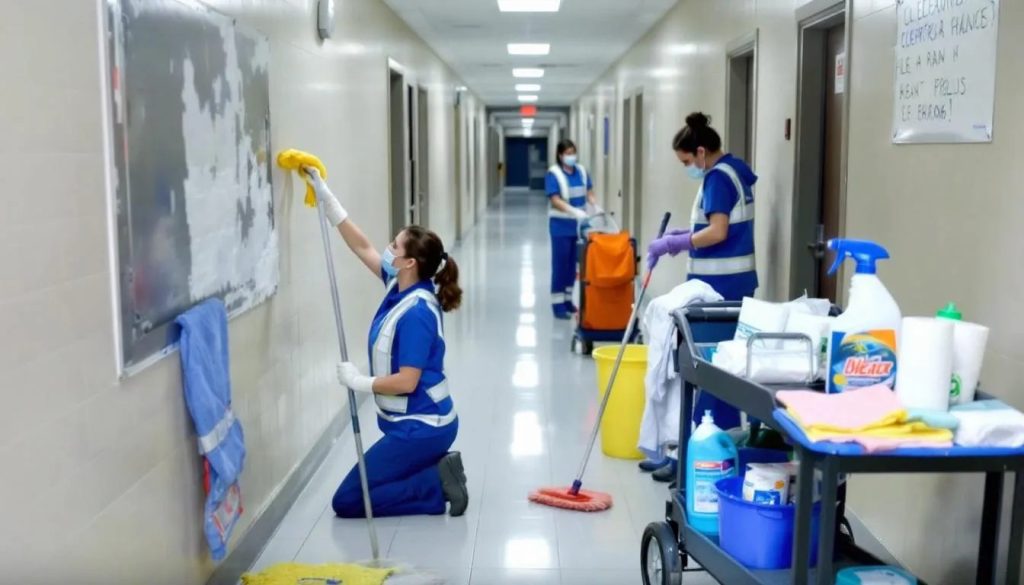
Classrooms, laboratories, libraries, and administrative offices form the foundation of daily cleaning operations. These spaces require regular cleaning focused on high touch surfaces like desks, light switches, door handles, and educational equipment. Each area demands specific attention due to the concentrated educational activities and extended occupancy periods throughout the day.
This connects to comprehensive school cleaning services because these core areas establish the baseline cleanliness standards that affect the entire educational facility’s health and safety profile.
High-Priority Sanitization Zones
Building on core cleaning areas, cafeterias, restrooms, gymnasiums, locker rooms, and nurse’s offices require enhanced disinfection protocols due to elevated health risks. These high traffic areas experience the greatest potential for cross contamination and demand more frequent cleaning cycles, specialized equipment, and hospital-grade disinfectants to prevent illness transmission among students and staff. Specialized cleaning services in schools may also include enhanced protocols for isolation areas used for sick students. No-dip flat mops clean floors without using dirty water, minimizing cross-contamination in schools.
Transition: Understanding these facility requirements establishes the foundation for evaluating the different types of professional cleaning services available to educational institutions.
Types of School Cleaning Services Available
Educational facilities require multiple service categories that work together to create and maintain clean school environments throughout the academic year and beyond.
Daily Janitorial Services
Routine cleaning tasks include sweeping, mopping, dusting, and trash removal performed during non-school hours to avoid disrupting educational activities. These daily operations focus on surface sanitization of desks, door handles, and frequently touched areas in classrooms, hallways, and common areas. Implementing a color-coding system for cleaning tools can help prevent cross-contamination in schools. Color-coded microfiber cleaning cloths are used to trap and remove 99% of bacteria and dirt while preventing germ spread.
Professional cleaning teams typically work evening shifts to ensure facilities are clean and ready for students and teachers each morning.
Deep Cleaning and Disinfection
Unlike daily maintenance, deep cleaning involves quarterly intensive cleaning, summer break comprehensive facility cleaning, and post-illness outbreak sanitization. Many schools now implement electrostatic disinfection technology that eliminates 99.9% of germs and bacteria on all surfaces, including hard-to-reach areas that traditional cleaning methods cannot address effectively. Coverall’s proprietary Health-Based Cleaning System® employs EPA-registered, hospital-grade disinfectants that kill 99.9% of germs and bacteria. Coverall’s Health-Based Cleaning System is built on CDC and AORN guidelines to deliver a hospital-grade clean for educational facilities.
This level of thorough cleaning is especially critical during flu season and after any confirmed illness outbreaks within the school community.
Specialized Facility Services
Floor care including VCT stripping and waxing, carpet deep cleaning, window washing, and HVAC system maintenance represent specialized services that maintain the long-term condition and appearance of educational facilities.
Key Points:
Floor care services typically occur during school breaks to minimize disruption
Carpet cleaning should be scheduled at least twice per academic year
Window cleaning improves natural lighting and facility appearance
HVAC maintenance includes filter replacement with HEPA filters when possible
Transition: Understanding these service types provides the foundation for implementing effective cleaning programs tailored to your specific educational facility needs.
Floor Care and Maintenance
Proper floor care and maintenance are critical components of comprehensive school cleaning services. Educational facilities often feature a variety of flooring types, including tile, vinyl, carpet, and hardwood, each requiring specialized cleaning techniques to ensure longevity and safety. High traffic areas such as hallways, cafeterias, gymnasiums, and entryways are particularly susceptible to dirt buildup, scuff marks, and wear, making regular floor care essential for maintaining a clean school environment.
Professional cleaning services provide tailored floor care solutions, including routine sweeping, mopping, and vacuuming, as well as periodic deep cleaning, stripping, waxing, and buffing for hard surfaces. These services not only enhance the appearance of educational facilities but also reduce slip and fall risks, contributing to a safer environment for students, staff, and visitors. By investing in expert floor maintenance, schools can extend the life of their flooring, minimize costly repairs, and ensure that all areas remain clean, healthy, and welcoming throughout the academic year.
Electrostatic Disinfection
Electrostatic disinfection is a cutting-edge cleaning technology that has become a vital part of school cleaning programs. This method uses an electrostatic sprayer to apply a fine mist of disinfectant that evenly coats and clings to all surfaces, including hard-to-reach areas and high touch points like desks, door handles, and light switches. The charged particles in the disinfectant ensure comprehensive coverage, making it highly effective at eliminating germs, bacteria, and viruses.
For educational facilities, electrostatic disinfection offers a powerful solution to prevent cross contamination and maintain a healthy environment for students and staff. This advanced cleaning service is especially valuable during flu season or after illness outbreaks, providing peace of mind that classrooms, common areas, and high traffic zones are thoroughly sanitized. By incorporating electrostatic disinfection into regular cleaning routines, schools can uphold the highest standards of health and safety, supporting the well being of the entire school community.
On-demand Cleaning Services
On-demand cleaning services provide educational facilities with the flexibility to address urgent or specialized cleaning needs as they arise. Whether responding to unexpected spills, illness outbreaks, or contamination events, these services offer rapid response solutions that go beyond regular cleaning schedules. Coverall’s On-Demand Cleaning Services, for example, include advanced options such as electrostatic sprayer applications and targeted contamination cleans to ensure immediate restoration of health and safety standards.
By integrating on-demand cleaning services with routine cleaning programs, schools can quickly adapt to changing circumstances and maintain a consistently safe and healthy environment for students, staff, and visitors. These services are an essential component of a comprehensive cleaning strategy, ensuring that educational facilities are always prepared to meet the highest standards of cleanliness and respond effectively to any situation that may impact health and safety.
Cleaning Services for Student Housing
Student housing presents unique cleaning challenges due to high occupancy rates, shared amenities, and the constant flow of residents throughout the academic year. Comprehensive cleaning services for student housing are essential to maintain a healthy environment for students living on campus. Professional cleaning teams focus on high traffic areas such as common rooms, kitchens, bathrooms, and laundry facilities, ensuring these spaces are regularly cleaned and disinfected to prevent the spread of germs and illnesses.
In addition to routine cleaning, specialized services such as deep cleaning during move-in and move-out periods, carpet and upholstery cleaning, and targeted disinfection of high touch surfaces help create a safe and welcoming living environment. By partnering with experienced cleaning service providers, educational institutions can support the well being of their student residents, reduce absenteeism due to illness, and foster a positive community atmosphere within student housing facilities.
Implementing Effective School Cleaning Programs
Successful implementation requires systematic evaluation of facility needs, careful vendor selection, and ongoing program management that balances quality, safety, and cost considerations specific to educational environments. Maintaining clear communication about cleaning protocols with stakeholders is important for ensuring compliance and reassurance.
Step-by-Step: Selecting a Cleaning Service Provider
When to use this: For administrators evaluating new cleaning contracts or reviewing existing services to ensure optimal results for their educational institution.
Conduct facility assessment: Document square footage, identify high traffic areas, catalog special requirements for laboratories or specialized classrooms, and define scope of work requirements specific to your education facility.
Request detailed proposals: Obtain specific pricing for daily janitorial services, weekly specialized cleaning, and seasonal deep cleaning from at least three qualified commercial cleaning services with extensive experience in educational facilities.
Verify credentials: Confirm insurance coverage, background check policies for all cleaning staff, safety training protocols, and experience working specifically with schools rather than general commercial clients.
Check references: Contact similar educational institutions, conduct site visits to evaluate work quality, and request a dedicated account manager who understands the unique needs of educational facility cleaning.
Comparison: In-House vs. Contracted Cleaning Services
Factor | In-House Cleaning | Professional Cleaning Service |
|---|---|---|
Staffing Costs | $35,000-50,000 annually per custodian plus benefits | $15,000-30,000 annually per facility |
Equipment Investment | $10,000-25,000 initial plus maintenance | Included in service contract |
Training Requirements | Ongoing safety and procedure training needed | Provider manages all training |
Quality Control | Depends on internal management capacity | Professional standards with dedicated account manager |
Factor
In-House Cleaning
Professional Cleaning Service
Staffing Costs
$35,000-50,000 annually per custodian plus benefits
$15,000-30,000 annually per facility
Equipment Investment
$10,000-25,000 initial plus maintenance
Included in service contract
Training Requirements
Ongoing safety and procedure training needed
Provider manages all training
Quality Control
Depends on internal management capacity
Professional standards with dedicated account manager
Professional cleaning services typically offer better cost efficiency and higher standards while allowing school administrators to focus on educational priorities rather than facility management details.
Transition: Even with careful planning, schools encounter common challenges that require specific solutions to maintain effective cleaning programs.
Common Challenges and Solutions
Educational institutions face predictable obstacles when implementing and maintaining school cleaning programs that require targeted strategies to ensure continued success.
Challenge 1: Budget Constraints and Cost Management
Solution: Implement flexible scheduling that scales services during school breaks and increases frequency during flu season when preventing illness transmission becomes top priority.
Many schools reduce daily services during summer months while increasing deep cleaning activities, then enhance daily sanitization during peak illness periods to optimize both cost and health outcomes.
Challenge 2: Safety and Security Concerns
Solution: Require comprehensive background checks, photo ID badges for all cleaning staff, and designated cleaning hours that minimize interaction with students while ensuring facility security.
Establish clear protocols for key management, alarm systems, and emergency procedures that protect both the school community and cleaning personnel working in educational facilities.
Challenge 3: Green Cleaning and Environmental Requirements
Solution: Specify EPA-approved, non-toxic green cleaning products and LEED-compliant procedures that maintain the highest standards for student and staff safety. Green cleaning products and processes minimize environmental impact and support wellness initiatives in schools.
Green cleaning approaches often cost slightly more initially but provide healthier environments for children and teachers while meeting increasing environmental requirements from parents and regulatory bodies.
Transition: These solutions provide the foundation for successfully implementing and maintaining school cleaning programs that serve educational communities effectively.
Conclusion and Next Steps
Professional school cleaning services create safe and healthy environments that directly support student success and well being throughout the academic year. Effective programs combine daily janitorial services, specialized deep cleaning, and ongoing facility maintenance to meet the highest standards expected by students, teachers, parents, and visitors.
To get started:
Assess current cleaning needs by conducting a comprehensive facility evaluation
Request proposals from 3-5 qualified cleaning services with extensive experience in educational institutions
Develop implementation timeline that coordinates with academic calendar and facility usage patterns
Related Topics: Consider exploring facility maintenance planning for long-term building care, emergency response protocols for unexpected cleaning needs, and sustainability initiatives that support green cleaning goals while maintaining effective sanitization standards.
Additional Resources
CDC Guidelines: Comprehensive school cleaning and disinfection protocols updated for current health requirements
Sample RFP Templates: Educational facility-specific request for proposal documents that ensure comprehensive vendor evaluation
Industry Certifications: Professional training and certification programs that verify cleaning service provider expertise in educational environments