Salt Lake Medical Cleaning: Professional Healthcare Facility Cleaning Services
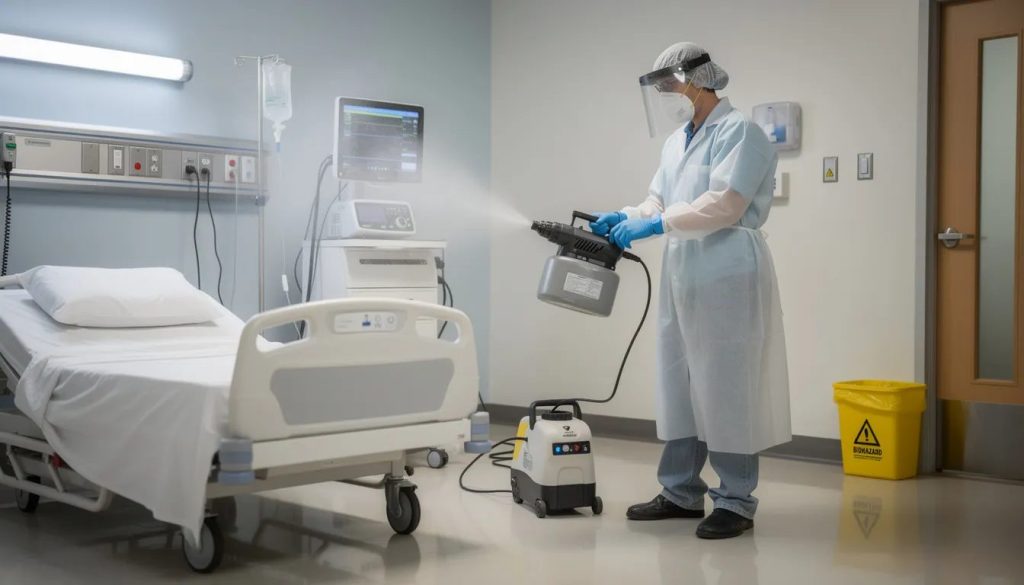
Table of Contents Free Quote Key Takeaways Salt Lake medical cleaning services require specialized training in CDC guidelines, OSHA regulations, and infection prevention protocols to maintain healthcare facility safety standards. Professional medical cleaners in Salt Lake serve diverse healthcare facilities including Intermountain Healthcare locations, University of Utah Hospital, and private practices using EPA-approved hospital grade disinfectants. Healthcare cleaning in Salt Lake addresses unique local challenges like high altitude dust accumulation, seasonal allergens, and winter salt residue while maintaining strict infection control protocols. Medical facility cleaning costs in Salt Lake range from $0.15-$0.35 per square foot depending on facility type, with operating rooms and surgical suites requiring premium sterilization protocols. Top Salt Lake medical cleaning companies maintain 24/7 emergency response capabilities and hold certifications from organizations like ISSA and GBAC for comprehensive solutions. Healthcare facilities in Salt Lake City require specialized medical cleaning services that go far beyond standard commercial cleaning protocols. The intersection of infection prevention science, regulatory compliance, and Salt Lake’s unique environmental challenges creates a complex landscape where professional medical facility cleaning services become essential for patient safety and regulatory compliance. This guide is designed for healthcare administrators, clinic managers, and anyone responsible for facility cleanliness in the Salt Lake area. Cleanliness in medical facilities directly affects the health and safety of everyone who enters these sensitive environments. Medical cleaning in healthcare environments involves systematic removal of pathogens, organic matter, and contaminants from patient care areas, medical equipment surfaces, and high touch surface disinfection zones. Unlike routine cleaning, medical facility cleaning follows strict infection control protocols designed to prevent healthcare associated infections and ensure compliance with federal and state healthcare standards. Medical cleaning in healthcare facilities involves specialized cleaning protocols, the use of medical-grade disinfectants, and strict regulatory adherence to maintain a safe and hygienic environment. Salt Lake’s healthcare landscape spans from major hospital systems to specialized clinics, each requiring customized cleaning plans that address everything from surgical suites to patient rooms, waiting areas, and dental office environments. The city’s unique geographical and climate conditions add layers of complexity that require specialized training and equipment to maintain a safe and hygienic environment. Why Are Strict Cleaning Protocols and Specialized Training Essential in Healthcare Facilities? Maintaining cleanliness in healthcare facilities is crucial for preventing the spread of infections and protecting patients, staff, and visitors from potential health risks. Thorough and regular cleaning helps eliminate harmful pathogens that can survive on surfaces and medical instruments, preventing cross-contamination and transmission of diseases. Cleaning protocols in medical facilities must include proper handling and disposal of biohazardous materials. Medical cleaning services must adhere to health cleaning standards, incorporating guidelines from the CDC and other regulatory bodies. Essential Medical Cleaning Services in Salt Lake City Medical cleaning encompasses far more than traditional janitorial services, requiring specialized knowledge of healthcare environments, infection prevention, and regulatory compliance. In Salt Lake’s healthcare facilities, professional cleaning services must address both environmental cleaning and specialized equipment protocols that directly impact patient health and facility operations. Medical office cleaning and medical office cleaning services are specialized solutions tailored for healthcare environments, emphasizing infection control, regulatory compliance, and patient safety. The distinction between standard commercial cleaning and medical facility cleaning lies in the scientific approach to pathogen elimination, regulatory compliance requirements, and specialized training needed to work safely in healthcare environments. Medical cleaning services focus on creating a safer and healthier environment through systematic protocols designed to prevent cross contamination and protect vulnerable patients. A dedicated cleaning team plays a crucial role in targeting harmful pathogens and maintaining a sanitized environment, ensuring a safe environment for both patients and staff. Because every healthcare facility has unique needs, a customized cleaning plan is developed for each location to support a healthy environment and the overall well-being of everyone inside. Professional medical cleaning services also contribute to operational efficiency by allowing healthcare staff to focus on patient care rather than cleaning tasks. Maintaining a professional environment through high standards of cleanliness directly affects the health and safety of everyone who enters these sensitive environments. A professional appearance, achieved through consistent and thorough cleaning, not only supports a positive first impression but also builds patient confidence and trust in the facility. Critical Healthcare Areas Requiring Specialized Attention Operating rooms demand the highest level of cleaning protocols, including terminal cleaning procedures between surgeries and deep cleaning protocols that eliminate potential contaminants. These sterile environments require specialized training in surgical suite cleaning, proper handling of medical waste, and coordination with surgical teams to maintain workflow efficiency. Patient rooms require daily routine cleaning focused on high touch surfaces like light switches, door handles, bed rails, and medical equipment. Each patient room cleaning follows specific protocols to prevent cross contamination between patient areas while maintaining the positive environment essential for patient care and recovery. Odor control is also crucial in maintaining a clean and welcoming environment, especially in restrooms and reception areas, to enhance patient confidence and ensure sanitary conditions. Examination rooms, exam rooms, treatment rooms, and procedure areas need rapid turnaround cleaning between patients, requiring efficient protocols that ensure surface disinfection without extending patient wait times. In particular, maintaining a sterile environment in exam rooms is crucial to ensure both patient and staff safety. These areas often handle multiple patients daily, making effective cleaning protocols critical for infection prevention. Laboratory and diagnostic areas present unique challenges requiring specialized knowledge of contamination control, proper handling of biohazardous materials, and understanding of equipment cleaning requirements. Similarly, environments such as restaurants demand cleaning technicians with specialized training in safety and decontamination procedures. Salt Lake’s Climate-Specific Cleaning Challenges Salt Lake City’s high altitude and arid climate create unique dust accumulation patterns that require enhanced filtration systems and more frequent cleaning of ventilation areas. The dry air can increase static electricity, affecting dust distribution and requiring specialized equipment for effective removal from sensitive healthcare environments. Winter conditions bring salt and snow tracking challenges that extend beyond typical entrance cleaning. Medical facilities must maintain pristine conditions while managing increased soil loads from
3 Ways To Remove Hard Water Stains From Different Surfaces!
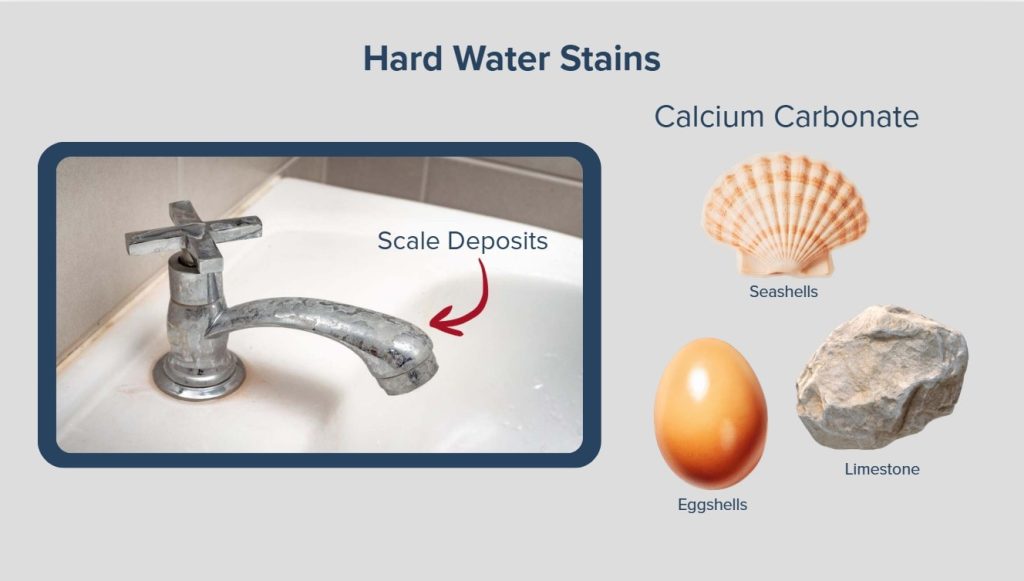
Table of Contents Free Quote 3 ways to remove hard water stains from different surfaces! Date: 12/12/2025 Hard water stain removal: What is hard water and why does it stain? Hard water has a high mineral content. Although it is safe to drink it can make a mess of places that are prone to staining. Hard water can be bad for your plumbing and can cause erosion. The National Ground Water Association recommends that people have their well tested every year by a certified / licensed contractor yearly to make sure the water is safe. Hard water is made up of Calcium, Magnesium, and Manganese. The stains from these minerals are called scale deposits and are a helpful indicator that you may have hard water. Hard water stains form when hard water evaporates, leaving behind deposits of minerals like calcium and magnesium. The term hardness comes from the fact that hard water neutralizes the efficiency of soap, the University of Florida explains that hard water is reported based on the concentration of calcium carbonate in the water. This calcium can be easily broken down with acetic acids. The staining from hard water that you see is from a buildup of minerals on the surface, it sticks to metal, glass, or porcelain (the most common surfaces for water use) and can be tricky to clean. Hard water can cause stains on various surfaces in the home, including sinks, faucets, chrome fixtures, and glass shower doors. The minerals in hard water can accumulate and form limescale, which consists of calcium deposits and lime, and can be difficult to remove if left unchecked. These stains appear as white or brownish spots on fixtures, glass, and tile. What is hard water? Hard water is water that contains a high concentration of dissolved minerals, mainly calcium and magnesium. As water travels through soil and rock, it picks up these minerals from sources like limestone, chalk, and gypsum, which then enter the water supply. Unlike soft water—such as rainwater, which contains little to no minerals—hard water is common in many regions and is especially noticeable in areas with significant mineral deposits underground. The effects of hard water are easy to spot around your facility. You might notice cloudy spots or streaks on glass shower doors, stubborn stains on sinks, or a chalky buildup around toilet bowls and faucets. These are all signs of limescale, a residue left behind by the minerals in hard water. Over time, these minerals can accumulate on glass, shower doors, and other surfaces, making cleaning more challenging and leaving unsightly water stains. While hard water is safe to use, its mineral content can create ongoing maintenance issues for commercial properties. Why does hard water stain? (Causes of hard water stains) Hard water stains form when water containing high levels of calcium and magnesium evaporates, leaving behind mineral deposits on surfaces. These deposits can quickly build up on glass shower doors, shower walls, and other bathroom surfaces, creating cloudy spots and streaks that are tough to remove. The problem is often made worse by soap scum, which combines with the minerals to form even more stubborn stains. Limescale, a hard, chalky substance, can also develop inside pipes, boilers, and on fixtures, leading to reduced efficiency and potential maintenance headaches. To effectively remove hard water stains, it’s important to use cleaning solutions that can break down these mineral deposits. Common methods include applying a paste of baking soda and vinegar or using products with citric acid, which help dissolve the calcium and magnesium buildup. Without regular cleaning, these mineral deposits can accumulate, making stains more difficult to remove and leaving your glass, shower doors, and bathroom surfaces looking dull and dirty. How hard water stain removal works Although most of us can say chemistry isn’t a well-loved subject for the masses, the breakdown of hard water stains on surfaces is quite simple when you understand how the chemicals respond to each other. Minerals can be broken down with acids, and the minerals from hard water stains have specific acids that can be used. The most effective cleaners for hard water stains are acidic solutions such as white vinegar or lemon juice, which help clean hard water stains by dissolving mineral deposits. The hydrogen attacks the calcium and creates an unstable carbonic acid which quickly breaks down into water and gas, creating bubbles (fizzing). For stubborn stains, a strong commercial product may be necessary to clean hard water stains, especially when regular acidic solutions are not enough. To effectively remove water stains, it is often necessary to scrub the affected area with a brush or non-abrasive pad after applying the cleaning solution. You can read this helpful article on how water softeners work, to learn more about the process. Let’s talk about where it affects people the most and how to combat it. In areas like toilets and sinks, using a mixture of vinegar and baking soda can effectively clean hard water stains, especially when combined with a thorough scrub to remove mineral buildup. Hard water in Utah: Hard water ratings by city Hard water affects more than 85% of the country according to the Water Quality Association. Stains and hard water effects can last a long time, especially if you don’t know how to manage a water softener or don’t have proper cleaning materials. Make sure to fill your water softener if stains or buildup in plumbing is a concern. Utah is heavily affected by hard water and most residents have issues with hard water stains. Check out this helpful table showing the hard water rating by zip code for Utah residents. Hard water stain removal: Removing hard water stains from metal For a natural or more gentle removal, you can start with a vinegar spray made with equal parts vinegar and water; letting the solution sit on the stains will give you the best results. Soaking faucets in vinegar is also an effective method for removing hard water stains. You can wrap
Restaurant Commercial Cleaning Services: Complete Guide for Food Service Establishments
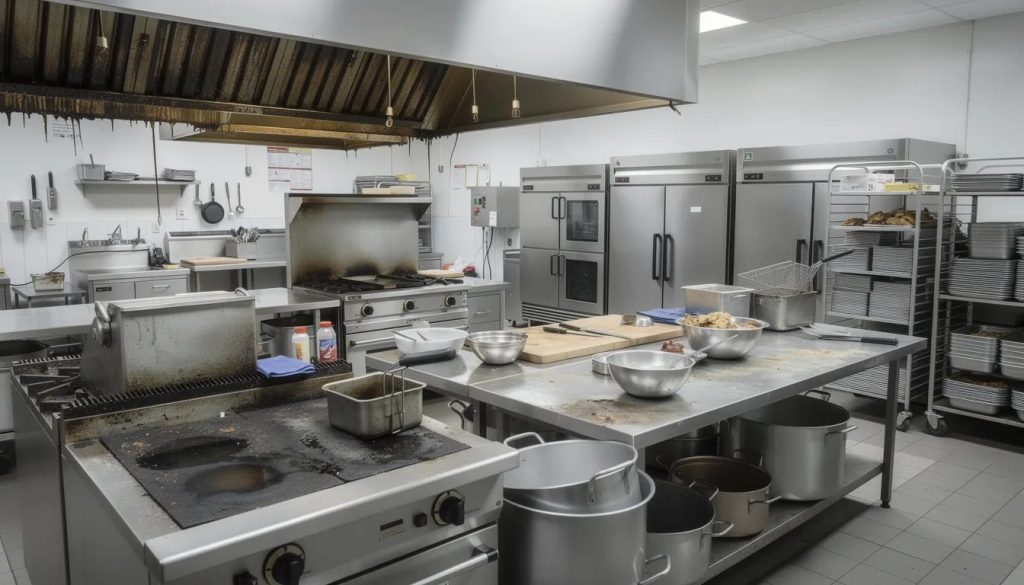
Table of Contents Free Quote Introduction Restaurant commercial cleaning services** provide specialized, professional cleaning solutions designed specifically for food service establishments, from small cafes to large dining chains.** These services go beyond standard janitorial work to address the unique sanitation requirements, health code compliance, and operational demands of restaurants, bars, and other food service businesses. Commercial cleaning for restaurants is crucial for health, safety, compliance, and customer perception. Restaurant cleaning services encompass everything from deep cleaning commercial kitchens and sanitizing prep tables to maintaining dining room appearance and ensuring safe environment standards that protect both customers and employees. Restaurants are subject to rigorous inspections by health authorities, and failure to meet strict hygiene standards can result in hefty fines and forced closures. In addition, thorough cleaning and sanitizing are essential to protect against viruses and other common diseases, which is critical for ensuring customer safety and confidence. Professional restaurant commercial cleaning services help establishments meet or exceed every legal requirement for hygiene and safety, ensuring full compliance with regulatory standards. What This Guide Covers Essential service types and cleaning areas for restaurants Provider selection process and evaluation criteria Health code compliance requirements and documentation Cost optimization strategies for different restaurant sizes Understanding Restaurant Commercial Cleaning Services Restaurant cleaning services typically include cleaning kitchens, dining areas, and restrooms. Restaurant commercial cleaning services are specialized cleaning programs designed to meet the unique sanitation, safety, and regulatory requirements of food service establishments. Unlike general commercial cleaning, these services address grease management, food contact surface sanitizing, and the specific health and safety standards mandated by local health departments. These services ensure your establishment maintains a spotless environment that protects customers and employees while meeting legal requirements for food service operations. Expert technicians use specialized equipment and EPA-approved chemicals to address the challenging cleaning needs restaurants face daily. Types of Cleaning Services Every restaurant, bar, and food service establishment has its own unique cleaning needs, which is why a comprehensive range of restaurant cleaning services is essential for maintaining a safe and spotless environment. Our cleaning services are designed to address every aspect of your business, from the heart of the kitchen to the welcoming atmosphere of the dining room. Our commercial kitchen cleaning services focus on the areas that matter most for health and safety—thoroughly cleaning and sanitizing prep tables, kitchen equipment, and floors to remove grease, grime, and debris. We understand that a clean kitchen is the foundation of any successful restaurant, which is why our expert technicians use advanced technology and specialized equipment to deliver deep cleaning results that meet the highest industry standards. In addition to kitchen cleaning services, we offer tailored cleaning programs for dining rooms, bars, and other guest-facing spaces. Our team pays special attention to high-touch surfaces such as tables, chairs, sinks, and faucets, ensuring these areas are sanitized regularly to protect your customers and employees from viruses and other health risks. We also provide dedicated cleaning services for restrooms, carpets, and other surfaces that require extra care to maintain a welcoming and hygienic environment. Whether your establishment is a bustling restaurant in Las Vegas, a cozy bistro, or a large hotel in California, our cleaning services can be customized to fit your specific needs and schedule. We offer flexible cleaning programs, including one-time deep cleaning or ongoing weekly service, to ensure your business always looks its best and meets all legal requirements for health and safety. Our national team of professionals is committed to delivering efficient, reliable, and effective cleaning solutions around the clock. We strive to exceed your expectations by providing expert assistance, using the latest cleaning technology, and maintaining a spotless environment that supports your business’s reputation and success. No matter the size or type of your establishment, we have the expertise and dedication to protect and maintain your environment. Contact us today to schedule a free walkthrough and discover how our restaurant cleaning services can be the perfect solution for your unique needs. Deep Cleaning vs. Daily Maintenance Deep cleaning involves intensive, periodic cleaning performed weekly or monthly, targeting areas that accumulate grime and debris over time. This includes equipment interiors, exhaust systems, tile grout, and other surfaces requiring special attention beyond routine maintenance. Daily maintenance cleaning covers essential tasks performed during or after service hours, including sanitizing prep tables, mopping floors, and cleaning dining room tables and chairs. This connects to comprehensive restaurant cleaning because both approaches work together—daily maintenance preserves cleanliness between deep cleaning sessions while deep cleaning addresses accumulation that daily tasks cannot eliminate. Health Code Compliance Requirements FDA Food Code, OSHA standards, and local health department regulations establish specific cleaning and sanitizing requirements that restaurants must meet. These legal requirements cover everything from proper sanitizing chemical concentrations to documentation of cleaning schedules and staff training. Building on daily maintenance and deep cleaning protocols, compliance requires systematic record-keeping that demonstrates your establishment consistently maintains safe sanitation standards. Health departments use these records during inspections to verify your cleaning programs meet regulatory standards. Transition: Understanding these foundational concepts prepares you to evaluate specific cleaning areas where professional services deliver the most value for your establishment. Benefits of Hiring Professionals Hiring professional restaurant cleaning services offers significant advantages for restaurants aiming to maintain a safe environment for both customers and employees. These cleaning services specialize in commercial kitchen cleaning, kitchen cleaning services, and deep cleaning, all of which are essential for keeping your dining room and kitchen spotless. By entrusting cleaning tasks to professionals, restaurants can focus on their core business operations, knowing that cleanliness and sanitation are in expert hands. Professional cleaning teams bring specialized training, advanced equipment, and proven techniques to every job, ensuring that every area of your establishment—from prep tables to high-traffic dining spaces—meets the highest standards of cleanliness. This not only enhances the overall appearance of your restaurant but also helps protect the health and safety of your staff and guests. In competitive markets like Las Vegas, where customer expectations are high, maintaining a clean and safe
Top Janitorial Office Services: Quality Cleaning Solutions for Your Business
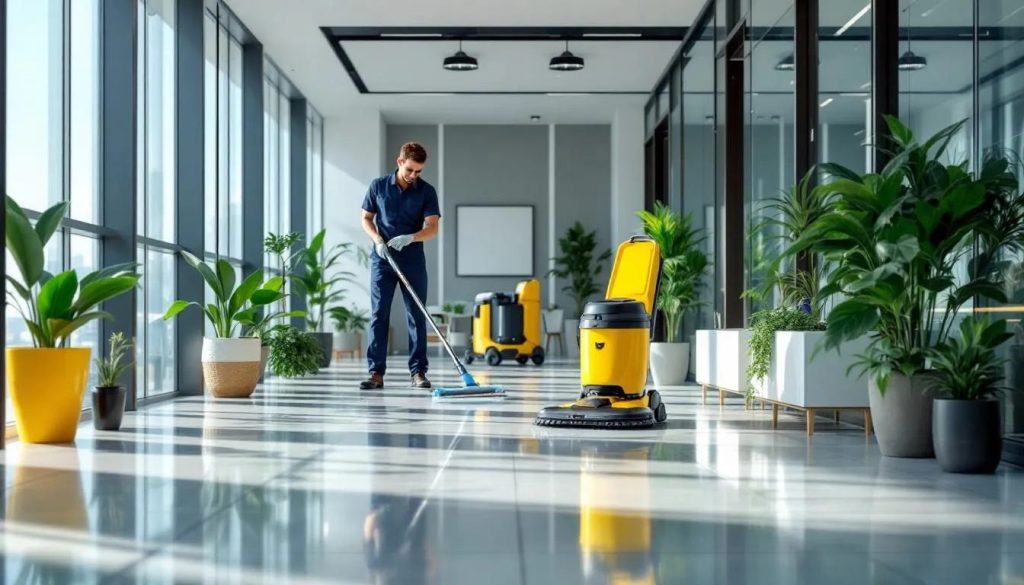
Whether your office is a busy hub of commerce or a quiet corner of industry, janitorial services can make all the difference in keeping your place of work clean, safe and efficient. These specialist services are a crucial part of any commercial property, and we tailor our services to meet the specific needs of all sorts of facilities and industries. By the way, if you’ve got an office building, not keeping on top of the cleanliness can make your workplace look pretty unprofessional, and compromise the health of your employees . In this article we’ll be taking a closer look at some of the key services that can really make a difference to your business, from regular cleaning and carpet care, to getting the windows sparkling. Table of Contents Key Takeaways Enhance workplace hygiene and productivity by offering regular cleaning, specialized services, and day porter support tailored to specific business needs. Employing advanced cleaning technologies and eco-friendly practices improves cleaning efficiency and contributes to a healthier workplace environment and supports a healthy workplace, reducing employee illness and enhancing overall productivity. Choosing the right janitorial service provider involves evaluating their experience, checking certifications, and considering customizable service packages to ensure quality service, with excellent customer service as a key consideration, that meets specific operational requirements. Comprehensive janitorial services services do a lot to keep workplaces spotless, safe, and clean. These are the kinds of things that matter – from keeping restrooms spick and span to making sure surfaces are tidy and that waste gets properly handled – for a business to be a place where people can work without worrying about getting sick or feeling yucky. Really, professional office cleaning services are just about keeping the office somewhere that people are going to enjoy coming to and keeping productive. Comprehensive Janitorial Office Services Comprehensive janitorial office services are all about keeping business environments clean , safe and actually feeling like a place where people want to be. From making sure the restrooms are spotless to getting rid of dust and dirt on surfaces and actually taking care of the trash – all of that is pretty fundamental to having a workspace that’s actually hygienic. To be honest, professional janitorial services really help businesses keep their offices in a state where people actually enjoy working in them. These services can be broken down to regular office cleaning , specialized commercial cleaning services and day porter services. Each one tackles the unique needs of a particular business environment and facility. Regular Office Cleaning Regular office cleaning is basically the foundation of a healthy workplace . It helps kill off the dust and other gunk that could make people sick , which in turn helps lower the number of people calling in sick. When you get down to it , regular cleaning of floors is a big deal – whether you’re sweeping or mopping , it keeps the place looking nice and helps keep the place from getting overrun with germs and allergens. To be blunt , studies have shown that keeping your offices tidy really can lower the number of sick days by keeping germs at bay . Moreover, the cleanliness of workplace restrooms is often perceived as a reflection of the overall hygiene standards of the organization, with 85% of employees considering it a critical factor. Maintaining high hygiene standards results in a healthier workplace and a more focused, efficient workforce. Specialized Cleaning Services Specialized commercial cleaning services cater to the unique needs of each business, ensuring a well-rounded approach to office cleanliness. Janitorial cleaning services can be customized to address specific requirements, providing comprehensive solutions for commercial facilities. These services include window washing, carpet care, and high-touch surface disinfection, all crucial for maintaining a clean and appealing office environment. The process of window washing creates two benefits because it makes offices look better while it enhances the quality of sunlight that passes through windows. The process of carpet care includes thorough cleaning and maintenance which creates a better indoor space while extending the lifespan of carpeted floors. The service includes customized deep carpet cleaning and upholstery cleaning and hard floor stripping and waxing as part of its specialized tasks. High-touch surface disinfection prevents germ spread and cross contamination, contributing to a healthier workplace. Day Porter Services Day porter services provide continuous cleaning support during business hours, ensuring a tidy and presentable workplace at all times. These services often include green cleaning practices as part of sustainability efforts. Day porter services enhance workplace cleanliness and employee morale by addressing spills, restocking supplies of soap, paper towels, and toilet paper, and maintaining common areas throughout the day. Tailored Cleaning Plans for Offices Tailored cleaning plans address the specific needs of different office environments by offering a range of cleaning tasks that can be adapted to suit various industries. This approach ensures that cleaning solutions are customized for sectors such as medical, construction, and educational facilities, meeting the unique requirements of each industry. Assessing the office space to identify unique cleaning requirements based on usage patterns. Considering the unique aspects of each office, including cleaning frequencies and required services. Enhancing service efficiency through customized cleaning plans. These plans ensure that every corner of the office receives the attention it needs, ultimately contributing to a clean and productive workplace. Flexible Scheduling Options Flexible scheduling options allow businesses to choose cleaning times that best suit their operations. Commercial cleaning rates vary based on business size, cleaning frequency, and time of day, with after-hours cleaning often costing more due to inconvenience. Some cleaning companies offer customized schedules that include: Daily services Weekly cleaning Monthly services Customized frequencies based on client needs Commercial cleaning services can also be scheduled for daily, weekly, or customized frequencies, ensuring flexibility to meet specific client requirements. These options ensure that high-traffic offices maintain hygiene standards without disrupting business operations. Detailed Cleaning Plan Development Developing a detailed cleaning plan involves: Assessing areas like high-traffic zones and specific client requirements to ensure
Complete Guide to School Cleaning Services: Essential Solutions for Educational Facilities
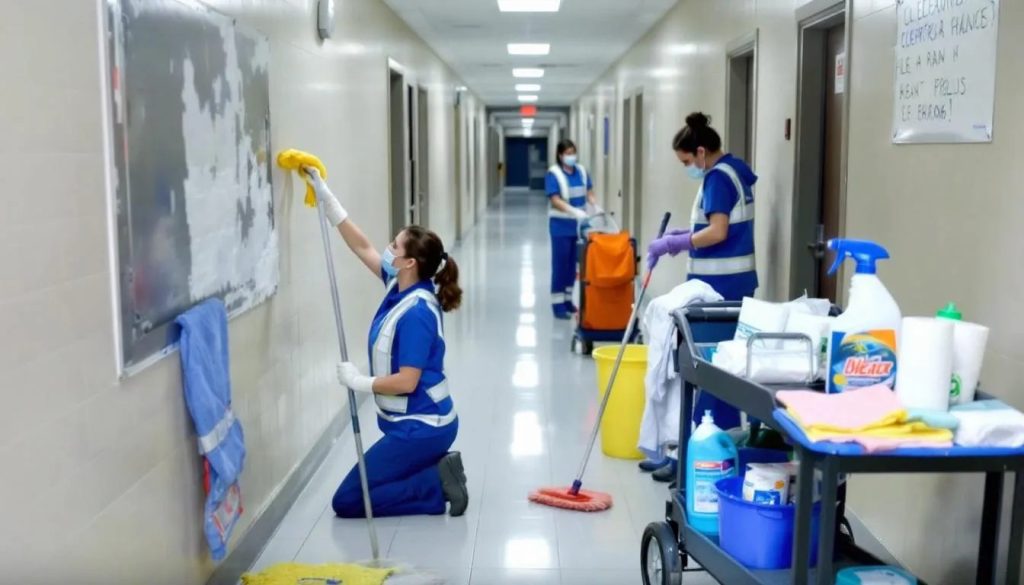
Table of Contents Introduction School cleaning services encompass comprehensive professional cleaning solutions, offering a full suite of services specifically designed for K-12 schools, high schools, colleges, universities, lecture halls, and other educational buildings. These specialized commercial cleaning services are delivered by a professional team and address the unique challenges of maintaining a safe and healthy environment where thousands of students and staff gather daily. Unlike standard commercial cleaning, educational facility cleaning requires expertise in managing high traffic areas, preventing cross contamination, and adhering to strict health and safety protocols. Research shows that clean and well-maintained schools have a positive impact on student academic performance, creating a conducive and safe environment for learning. This guide addresses the critical need for school administrators and facility managers to understand, evaluate, and implement effective school cleaning programs that protect student health while maintaining operational efficiency. What This Guide Covers This comprehensive resource covers daily janitorial services, specialized sanitization protocols, safety requirements, cost management strategies, and vendor selection processes. We focus specifically on actionable information for educational facilities rather than general commercial cleaning concepts. Who This Is For This guide is designed for school administrators, facility managers, and decision-makers at public and private schools, colleges, and educational institutions. Whether you’re evaluating your current cleaning service or implementing new school cleaning programs, you’ll find practical guidance for creating a safe school environment. Why This Matters Proper school cleaning directly impacts student attendance, academic performance, and overall well being of the school community. Professional cleaning services reduce illness transmission by up to 80% during flu season, decrease absenteeism, and ensure compliance with CDC guidelines and local health department requirements. High-touch surfaces and high touch areas such as doorknobs, desks, and light switches require frequent disinfection to reduce the risk of cross-contamination. What You’ll Learn: Essential cleaning requirements for different areas within educational facilities Types of school cleaning services and their specific applications How to evaluate and select qualified professional cleaning service providers Cost-effective strategies for implementing comprehensive school cleaning services Importance of Clean Schools A clean school environment is fundamental to the health, safety, and well being of students and staff. Comprehensive school cleaning services are essential for educational facilities striving to create a healthy learning environment where students can thrive academically and socially. Regular cleaning and disinfection of high traffic areas—such as classrooms, hallways, and restrooms—help prevent cross contamination and the spread of illnesses, reducing absenteeism and supporting a safe and healthy environment for everyone on campus. Investing in professional cleaning services ensures that schools maintain the highest standards of cleanliness, which directly impacts the overall learning environment. Clean schools foster a positive atmosphere, boost morale among teachers and students, and reassure parents and visitors that the facility prioritizes health and safety. By implementing thorough cleaning routines and focusing on high touch surfaces, educational institutions can create an environment for students that supports both academic achievement and personal well being. Understanding Educational Facility Cleaning Requirements Educational facility cleaning encompasses specialized janitorial services tailored to the unique needs of schools, from elementary schools through colleges. These environments present distinct challenges including managing high traffic volumes, accommodating diverse age groups, and maintaining facilities that serve multiple functions throughout the academic year. Educational institutions face regulatory requirements including CDC guidelines for school cleaning and disinfection, EPA standards for approved cleaning products, and local health department mandates for maintaining healthy learning environments. Core Cleaning Areas in Schools Classrooms, laboratories, libraries, and administrative offices form the foundation of daily cleaning operations. These spaces require regular cleaning focused on high touch surfaces like desks, light switches, door handles, and educational equipment. Each area demands specific attention due to the concentrated educational activities and extended occupancy periods throughout the day. This connects to comprehensive school cleaning services because these core areas establish the baseline cleanliness standards that affect the entire educational facility’s health and safety profile. High-Priority Sanitization Zones Building on core cleaning areas, cafeterias, restrooms, gymnasiums, locker rooms, and nurse’s offices require enhanced disinfection protocols due to elevated health risks. These high traffic areas experience the greatest potential for cross contamination and demand more frequent cleaning cycles, specialized equipment, and hospital-grade disinfectants to prevent illness transmission among students and staff. Specialized cleaning services in schools may also include enhanced protocols for isolation areas used for sick students. No-dip flat mops clean floors without using dirty water, minimizing cross-contamination in schools. Transition: Understanding these facility requirements establishes the foundation for evaluating the different types of professional cleaning services available to educational institutions. Types of School Cleaning Services Available Educational facilities require multiple service categories that work together to create and maintain clean school environments throughout the academic year and beyond. Daily Janitorial Services Routine cleaning tasks include sweeping, mopping, dusting, and trash removal performed during non-school hours to avoid disrupting educational activities. These daily operations focus on surface sanitization of desks, door handles, and frequently touched areas in classrooms, hallways, and common areas. Implementing a color-coding system for cleaning tools can help prevent cross-contamination in schools. Color-coded microfiber cleaning cloths are used to trap and remove 99% of bacteria and dirt while preventing germ spread. Professional cleaning teams typically work evening shifts to ensure facilities are clean and ready for students and teachers each morning. Deep Cleaning and Disinfection Unlike daily maintenance, deep cleaning involves quarterly intensive cleaning, summer break comprehensive facility cleaning, and post-illness outbreak sanitization. Many schools now implement electrostatic disinfection technology that eliminates 99.9% of germs and bacteria on all surfaces, including hard-to-reach areas that traditional cleaning methods cannot address effectively. Coverall’s proprietary Health-Based Cleaning System® employs EPA-registered, hospital-grade disinfectants that kill 99.9% of germs and bacteria. Coverall’s Health-Based Cleaning System is built on CDC and AORN guidelines to deliver a hospital-grade clean for educational facilities. This level of thorough cleaning is especially critical during flu season and after any confirmed illness outbreaks within the school community. Specialized Facility Services Floor care including VCT stripping and waxing, carpet deep cleaning, window washing, and HVAC system maintenance represent specialized services